
Hot Tub Electrical Installation in Green Bay: Why Hiring a Professional Electrician Matters
Adding a hot tub to your backyard can transform your home into a relaxing retreat. During Wisconsin’s long winters and cool evenings, soaking in a warm spa can be especially appealing for homeowners in the Green Bay area. However, while many people focus on the hot tub itself, its size, jets, or features; one of the most important aspects of installation is often overlooked: the electrical system that powers it.
Hot tubs require significant electrical power and must be installed according to strict safety standards. Improper wiring can lead to equipment damage, frequent breaker trips, or even serious electrical hazards. That’s why hiring a qualified local electrician is essential when installing a hot tub at your home.
This guide explains how hot tub electrical systems work, the safety requirements involved, and why professional installation is the safest choice for homeowners in Green Bay and surrounding communities.
Understanding Hot Tub Electrical Requirements
Most residential hot tubs operate on 240-volt electrical service, similar to an electric dryer or oven. Smaller “plug-and-play” models may use a 120-volt outlet, but larger spas typically require more power to run heating elements, pumps, and jets simultaneously.
A typical 240-volt hot tub installation includes:
- A dedicated electrical circuit
- A GFCI (Ground Fault Circuit Interrupter) breaker
- Properly sized wiring
- An outdoor disconnect panel
- Weatherproof conduit and fittings
These components ensure the spa operates safely while protecting users from electrical shock.
Because hot tubs involve water and electricity in close proximity, electrical codes require strict installation standards. Local electricians understand both the National Electrical Code (NEC) and Wisconsin-specific requirements, ensuring everything is installed safely and legally.
Dedicated Circuits: Why Your Hot Tub Needs Its Own Power Source
Hot tubs draw a substantial amount of electrical current, often between 30 and 60 amps. Because of this demand, most spas require a dedicated circuit directly from your home’s electrical panel.
A dedicated circuit ensures:
- The hot tub receives consistent power
- Other appliances do not overload the circuit
- Breakers are less likely to trip
- Electrical fires are prevented
Attempting to share circuits with other outdoor equipment or household appliances can overload wiring and create serious safety risks. A professional electrician will evaluate your home’s electrical panel and determine whether upgrades are needed before installing the circuit.
GFCI Protection: A Critical Safety Feature
One of the most important safety requirements for hot tub wiring is GFCI protection. A Ground Fault Circuit Interrupter continuously monitors electrical current flowing through the circuit.
If it detects even a small imbalance—such as electricity leaking through water or a person—it shuts off power instantly.
This device protects against electrical shock, which is particularly important for hot tubs since users are immersed in water.
Hot tub installations typically include:
- A GFCI breaker inside the main panel, or
- A spa disconnect panel with a built-in GFCI breaker
This disconnect must also be located within sight of the hot tub but at a safe distance, allowing power to be shut off quickly during maintenance or emergencies.
Proper Wiring and Conduit Installation
Outdoor wiring must be designed to withstand weather, temperature changes, and moisture exposure. In Wisconsin’s climate, this is especially important due to freezing winters and humid summers.
Professional electricians install hot tub wiring using:
- Underground-rated conduit
- Weather-resistant electrical boxes
- Copper wiring sized for the load
- Proper grounding and bonding
Improper wiring—such as undersized conductors or poorly sealed conduit—can cause voltage drops, overheating, or corrosion over time.
Electricians also ensure wiring routes meet code requirements and are protected from physical damage.
Electrical Panel Capacity and Upgrades
Before installing a hot tub, it’s important to verify whether your home’s electrical panel has enough available capacity.
Many older homes may have 100-amp service panels, which can become overloaded when adding large appliances such as:
- Hot tubs
- Electric vehicle chargers
- Electric ranges
- HVAC systems
If your panel is already near capacity, a licensed electrician may recommend:
- Installing a subpanel
- Upgrading to 200-amp electrical service
These upgrades ensure your home can safely support the additional load without frequent breaker trips or overheating wires.
Hot Tub Placement and Electrical Distance Requirements
Electrical codes also specify where a hot tub can be placed in relation to electrical components.
For example:
- Disconnect switches must be within sight but at least 5 feet away from the spa.
- Overhead power lines must meet clearance requirements.
- Outdoor outlets must be properly protected.
Proper planning ensures the hot tub is both convenient and compliant with safety regulations.
A local electrician can coordinate with contractors or landscapers to ensure electrical access is planned before construction or installation begins.
Permits and Electrical Inspections
In most municipalities around Green Bay, installing a hot tub requires electrical permits and inspections.
These inspections verify that:
- Wiring meets code requirements
- GFCI protection is installed
- Grounding and bonding are correct
- Disconnect switches are properly located
Working with a licensed electrical contractor ensures permits are handled correctly and installations pass inspection the first time.
Attempting a DIY installation or hiring an unlicensed contractor can lead to costly corrections later.
Common Electrical Problems With Hot Tubs
Homeowners sometimes encounter electrical issues after installation, especially if the system wasn’t wired properly.
Common problems include:
Frequent breaker trips
This may indicate overloaded circuits, faulty heaters, or damaged wiring.
Hot tub not powering on
Loose connections, failed GFCI breakers, or damaged control boards can cause this issue.
Voltage drops or slow heating
Improper wire sizing or long cable runs may reduce power reaching the spa.
Corrosion or water damage
Poorly sealed conduit or electrical boxes can allow moisture inside.
A professional electrician can diagnose these issues quickly and safely.
Why Hire a Local Green Bay Electrician for Hot Tub Installation
While installing a hot tub may seem straightforward, electrical work involving high voltage and water should never be taken lightly.
Hiring a local electrician provides several advantages:
Knowledge of local building codes
Green Bay area electricians understand Wisconsin regulations and inspection requirements.
Safe, professional installation
Licensed contractors ensure all wiring, grounding, and protection systems meet safety standards.
Proper electrical load calculations
Electricians evaluate your panel and wiring capacity before adding new circuits.
Reliable long-term performance
Professionally installed electrical systems reduce the risk of breakdowns or hazards.
Additionally, working with a local contractor ensures faster service if you ever need troubleshooting or repairs.
Enjoy Your Hot Tub With Confidence
Installing a hot tub can be one of the most enjoyable upgrades you make to your home. Whether you’re relaxing after work, entertaining guests, or warming up during a cold Wisconsin winter, a backyard spa offers year-round comfort.
However, the safety and reliability of your hot tub depend heavily on the quality of the electrical installation behind the scenes.
From dedicated circuits and GFCI protection to proper grounding and panel upgrades, every component must be installed correctly to ensure safe operation.
If you’re planning to install a hot tub in the Green Bay area, working with a licensed electrical contractor is the best way to protect your home, your investment, and your family.
A professional electrician can design the electrical system properly, obtain necessary permits, and ensure your new spa is ready to operate safely for years to come.
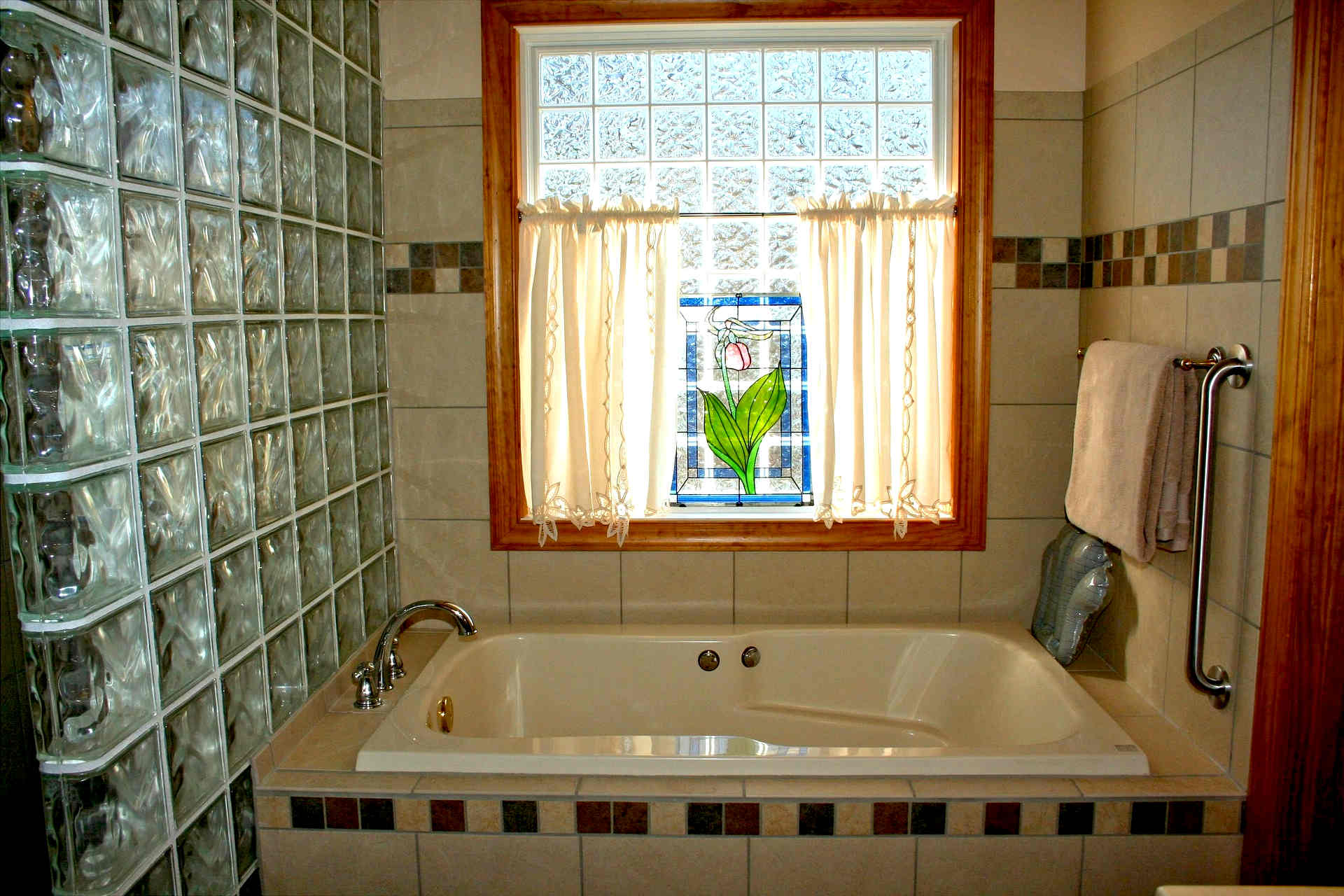
Photo by Zoe Stefanatou on Unsplash